Castor oil has been around forever. Your grandmother probably used it. Her grandmother definitely did. But somewhere between old-world home remedy and TikTok obsession, the actual information about what it does and doesn’t do got completely lost.
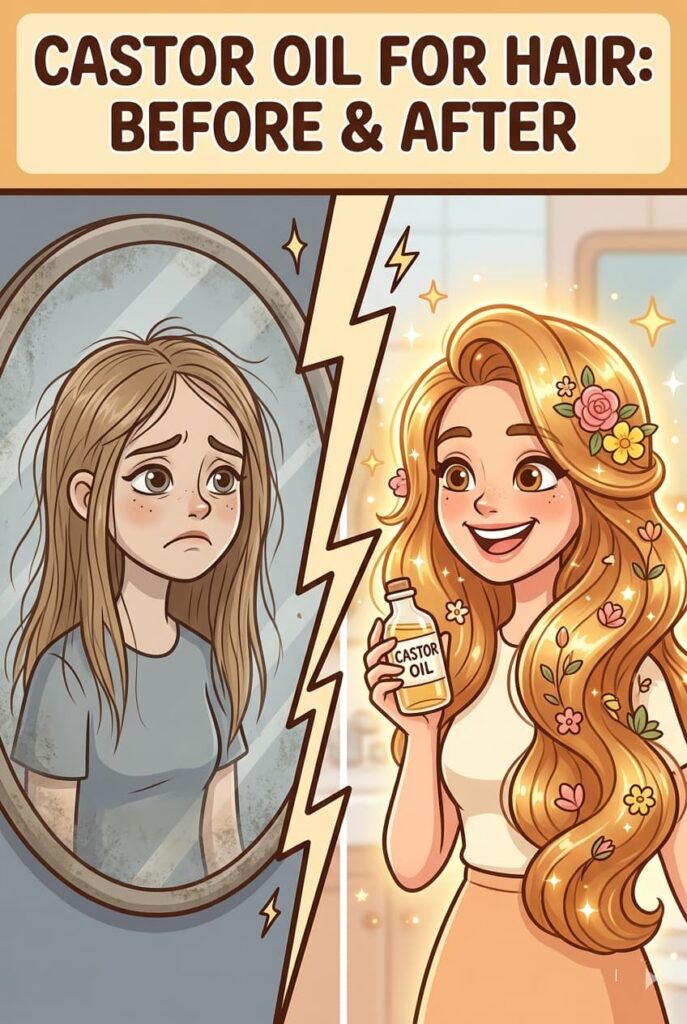
Here’s the straight answer: castor oil works — but not in the way most people think. It won’t magically regrow hair on a completely bald patch. What it does, and does well, is create the conditions your scalp needs to grow thicker, stronger hair over time. The difference between results and disappointment is almost always in how people use it.
What Is Castor Oil and Why Does It Work for Hair?
Castor oil is pressed from the seeds of the Ricinus communis plant. It’s thick — unusually thick — because of its high ricinoleic acid content, which makes up around 90% of the oil. That’s not a number found in any other common oil. Ricinoleic acid has documented anti-inflammatory and antimicrobial properties, which matters a lot for scalp health.
The thickness is also what makes it so effective as a sealant. It coats the hair shaft and locks moisture in longer than lighter oils. For people with dry, brittle, or breakage-prone hair, that alone makes a noticeable difference within a few weeks.
There’s also evidence that castor oil improves blood circulation to the scalp when massaged in. Better circulation means better nutrient delivery to the hair follicles — and that’s where growth actually happens.
Castor Oil for Hair Growth: What to Realistically Expect
Most guides skip this part, which is why people get frustrated and quit too early.
Hair grows about half an inch per month on average. Castor oil can support that process — some people report noticeably faster growth, thicker strands, and less shedding within 4 to 6 weeks of consistent use. But it won’t override your genetics, and it won’t restart follicles that have been dormant for years.
What you will realistically see with regular use:
- Less hair falling out during washing and brushing — usually within 2 to 3 weeks
- Thicker-feeling individual strands within 4 to 6 weeks
- Edges and baby hairs filling in slightly — this is where castor oil gets the most consistent praise
- Reduced scalp itchiness and flaking, especially if dryness was the cause
- Longer retention of length over time because less hair is breaking off
The people who see zero results are almost always using it inconsistently or washing it out after 20 minutes. The oil needs time to actually penetrate the scalp and shaft.
Jamaican Black Castor Oil vs. Regular Castor Oil
This comes up constantly and the difference is real. Regular castor oil is cold-pressed and pale yellow. Jamaican black castor oil (JBCO) is roasted before pressing, which turns it dark brown and adds ash to the final product. That ash raises the pH slightly, which some people find opens the hair cuticle and allows better penetration.
In practice: JBCO tends to perform better for people with thick, coarse, or natural hair. Regular cold-pressed castor oil works well for fine or straight hair where JBCO can feel too heavy. Either one works — the choice depends on your hair type, not which one has better marketing.
How to Use Castor Oil for Hair — The Right Way
The biggest mistake is applying it to dry hair and then giving up because it’s too thick to spread. Here’s a method that actually works:
Step 1 — Mix it first: Castor oil straight is almost impossible to work with for most people. Mix it 50/50 with a lighter oil — coconut, jojoba, or argan all work well. This makes it spreadable without diluting the benefits significantly.
Step 2 — Apply to the scalp, not just the hair: Use your fingertips or a dropper bottle to apply along the part lines and focus on areas where growth is slower. Massage for 3 to 5 minutes. This step matters more than people think — the massage itself increases circulation.
Step 3 — Work through the lengths: After the scalp, run any remaining oil through the mid-lengths and ends. Focus on ends if yours are dry or splitting.
Step 4 — Leave it in: Minimum 2 hours. Overnight is better. A shower cap or old t-shirt over your pillow makes overnight treatments manageable. The longer it stays, the more it can do.
Step 5 — Wash it out properly: Apply shampoo to dry hair before adding water. This is the trick for removing heavy oils without stripping. Lather, then add water. Two rounds of shampoo if needed.
How Often Should You Use It?
Once a week is enough for most people. Twice a week if your hair is very dry or you’re targeting specific growth areas like edges. Daily use isn’t necessary and can cause buildup that actually slows things down.
Give it at least 8 weeks before deciding if it’s working. Hair changes don’t happen overnight and they don’t show up in one week of use.
The Castor Oil Hair Mask That Actually Works
This is the version worth bookmarking. Mix together:
- 2 tablespoons castor oil (or JBCO)
- 2 tablespoons coconut oil
- 1 tablespoon honey
- 5 drops peppermint essential oil (optional — improves scalp circulation)
Warm the mixture slightly — about 20 seconds in a bowl of hot water, not the microwave. Apply to scalp and hair, cover with a shower cap, leave for at least 3 hours or overnight. The honey adds moisture retention. The peppermint creates a tingling sensation that signals increased blood flow to the scalp — which isn’t just a feeling, it’s documented.
Who Should Avoid Castor Oil
Most people tolerate it well, but a few situations call for caution. If you have a nut or seed allergy, patch test first — castor is a seed oil. People with very fine, easily weighed-down hair often find even the diluted version too heavy and may prefer a lighter alternative like rosemary oil. And if you have an active scalp condition like psoriasis or open wounds, check with a dermatologist before applying any heavy oil.
The Short Version
Mix castor oil with a lighter oil. Apply to your scalp, massage for a few minutes, leave it overnight. Wash out with shampoo on dry hair first. Do this once a week for 8 weeks. You’ll know by then whether it’s working for you — and for most people, it does.