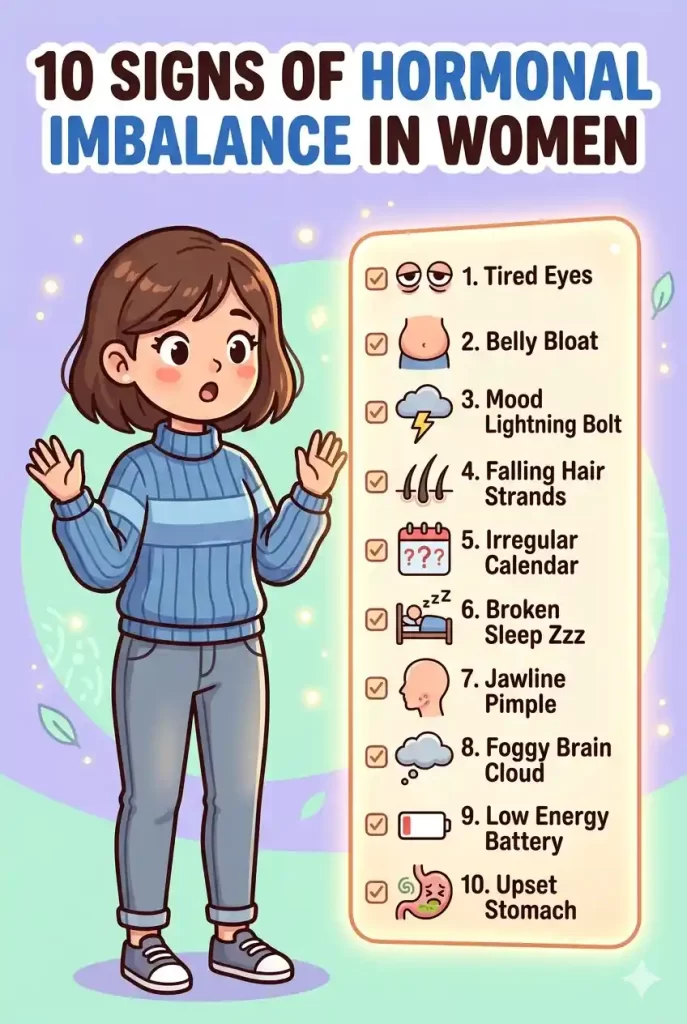
You’re tired all the time but can’t sleep properly. Your weight is shifting even though nothing in your diet changed. Your mood feels completely out of your control some days. Sound familiar? These aren’t random problems. They’re often connected — and hormones are usually somewhere in the middle of it.
Hormonal imbalances in women are incredibly common and massively underdiagnosed. The symptoms are vague enough to get dismissed as stress or aging, which means a lot of women spend years treating individual symptoms without ever addressing the actual cause. Here’s how to recognize what’s really going on.
What Causes Hormonal Imbalance in Women?
Hormones don’t fall out of balance randomly. The most common drivers are chronic stress (which tanks progesterone and spikes cortisol), poor sleep, blood sugar instability, environmental toxins found in plastics and synthetic fragrances, and certain medications including hormonal birth control.
Perimenopause and menopause are the most well-known causes, but hormonal imbalance affects women in their 20s and 30s just as often. PCOS, thyroid dysfunction, adrenal fatigue, and estrogen dominance are all forms of hormonal imbalance — and all of them produce overlapping symptoms that make diagnosis complicated.
10 Hormonal Imbalance Symptoms to Watch For
1. Persistent Fatigue That Sleep Doesn’t Fix
This is the one most women mention first. It’s not ordinary tiredness — it’s a heaviness that’s there when you wake up and doesn’t really lift. Low progesterone, thyroid dysfunction, and adrenal fatigue all produce this. If you’re sleeping 8 hours and still exhausted, your hormones are worth investigating.
2. Unexplained Weight Gain, Especially Around the Belly
High cortisol directs fat storage toward the abdomen specifically. Estrogen dominance contributes to water retention and fat accumulation around hips and thighs. If your diet and exercise haven’t changed but your weight has — and particularly if it’s concentrating around your midsection — that’s a hormonal pattern, not a calorie problem.
3. Mood Swings, Anxiety, or Irritability
Estrogen and progesterone directly influence serotonin and GABA — two neurotransmitters that regulate mood and anxiety. When these hormones fluctuate or drop, mood stability goes with them. The week before your period is the most common time for this, but if it’s happening throughout the month, the imbalance is more significant.
4. Hair Loss or Hair Thinning
Excess androgens (male hormones that women also produce) cause hair to thin at the crown and temples. Low thyroid hormones cause diffuse thinning all over. These look different and respond to different treatments, so noticing the pattern of loss matters. Either way, hair loss that isn’t explained by stress or nutritional deficiency usually has a hormonal root.
5. Irregular or Painful Periods
Cycles shorter than 21 days or longer than 35 days, periods that disappear for months, or pain severe enough to disrupt daily life — none of these are just ‘normal variation.’ They’re signals that estrogen, progesterone, or both are out of their expected rhythm. This one is worth tracking carefully for at least 3 months before drawing conclusions.
6. Sleep Problems Despite Being Exhausted
Progesterone has a natural calming, sleep-promoting effect. Low progesterone means lighter, less restorative sleep — often with waking between 2 and 4am. Cortisol that’s too high in the evening has the same effect. If you’re tired but wired at bedtime, or you wake up in the middle of the night and can’t get back to sleep, hormones are a likely factor.
7. Skin Breakouts in Adults
Acne along the jawline and chin in adult women is almost always androgen-driven. Breakouts that follow a monthly pattern and concentrate in the lower face are a reliable indicator of hormonal fluctuation. This isn’t teenage acne and it doesn’t respond to the same treatments.
8. Brain Fog and Memory Issues
Estrogen supports cognitive function. When it drops — either cyclically or during perimenopause — concentration, word recall, and mental sharpness all suffer. Women often describe this as feeling like they’re ‘thinking through cotton wool.’ It’s real, it’s documented, and it’s reversible when the underlying hormonal issue is addressed.
9. Low Libido
Testosterone in women — yes, women produce it too — is responsible for sexual drive. So is a basic sense of feeling well, which depends on balanced estrogen and progesterone. Low libido that comes on gradually and persists for more than a few weeks, without an obvious relationship or life stressor behind it, is frequently hormonal.
10. Digestive Problems That Come and Go
The gut has estrogen receptors. When estrogen fluctuates, so does gut motility — the speed at which food moves through the digestive system. This is why bloating, constipation, and diarrhea often worsen around menstruation. If your digestion is inconsistent and seems to track with your cycle, hormones and gut health are connected in your case.
Natural Ways to Start Rebalancing Your Hormones
None of these replace a proper diagnosis, but all of them support hormonal health and are worth doing regardless of where your imbalance is coming from.
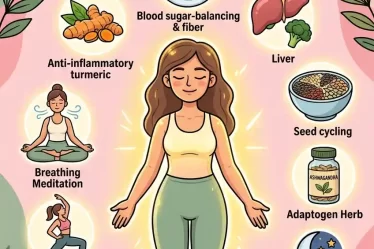
- Reduce sugar and refined carbs — blood sugar spikes directly raise insulin, which disrupts every other hormone in the chain
- Prioritize sleep over everything else — 7 to 9 hours in a dark room does more for hormonal balance than most supplements
- Add seed cycling — flaxseeds and pumpkin seeds in the first half of your cycle, sesame and sunflower in the second half. It takes about 3 months to notice a difference but it works
- Adaptogenic herbs — ashwagandha for cortisol, maca root for estrogen balance, vitex (chaste tree berry) for progesterone support. One at a time, not all at once
- Cut synthetic fragrances — most contain xenoestrogens that mimic estrogen in the body and worsen estrogen dominance
- Exercise — but not too much. High-intensity training every day raises cortisol. Moderate exercise 4 to 5 days a week with proper recovery is the sweet spot for hormonal health
When to See a Doctor
If you have 4 or more of the symptoms above and they’ve been present for more than 6 weeks, bloodwork is worth doing. Ask specifically for a full thyroid panel (not just TSH), estrogen, progesterone, testosterone, DHEA, and fasting insulin. Standard panels often miss hormonal issues because they only test the minimum. Knowing your actual numbers changes what you can do about it.
The Short Version Fatigue, weight changes, mood instability, hair loss, irregular periods, and skin breakouts are the most common hormonal imbalance symptoms in women. They rarely appear alone. Start with sleep, cut sugar, reduce stress, and look into adaptogenic herbs. If symptoms persist after 8 weeks of lifestyle changes, get comprehensive bloodwork done — not a standard panel.