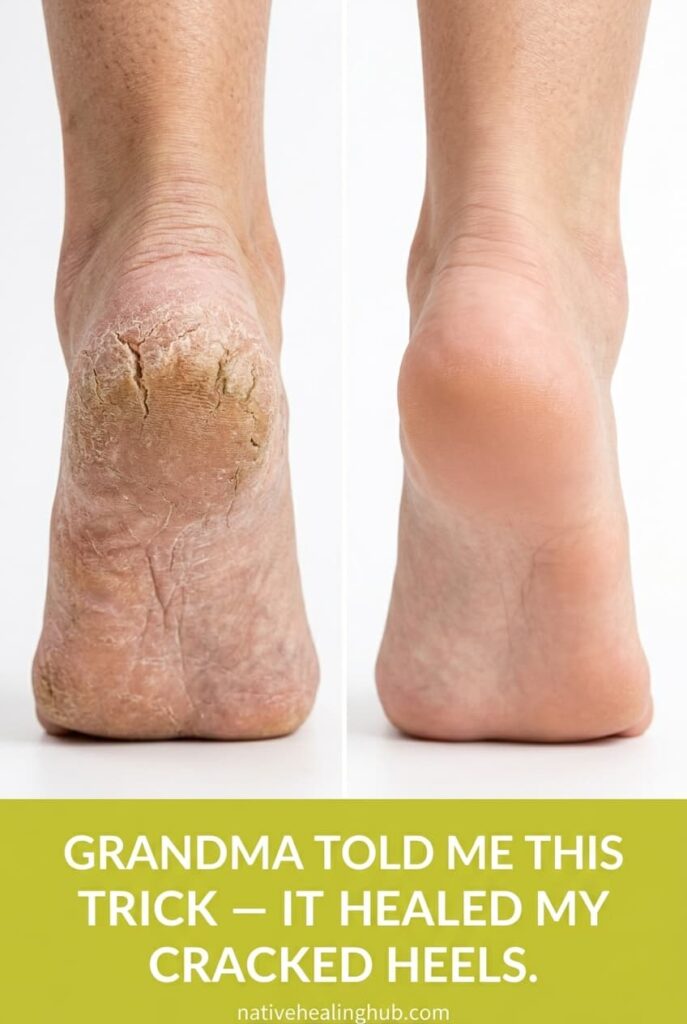
Cracked heels are one of those problems that seem minor until they’re not. Surface dryness turns into deep fissures, the fissures start bleeding, and suddenly walking is painful. Most people try moisturizer, get temporary relief, and find the cracks return within days.
Thank you for reading this post, don't forget to subscribe!The reason they keep coming back is almost always the same: the surface layer is being moisturized without addressing the underlying thickness of dead skin, the lack of long enough contact time for the moisture to penetrate, or an internal deficiency that’s driving the dryness. Here are the remedies that actually fix cracked heels — not just temporarily soften them.
What Causes Cracked Heels
- Thick callus buildup — the heel skin thickens as a protective response to pressure and friction, then cracks because thick skin can’t flex
- Dehydration — insufficient water intake is one of the most direct causes of cracked heel skin
- Vitamin and mineral deficiencies — low zinc, omega-3 fatty acids, and vitamin E are all associated with chronically dry cracked skin
- Thyroid dysfunction — hypothyroidism reduces skin cell turnover and causes dry thick skin particularly on the heels
- Standing for long periods on hard floors — direct pressure causes callus formation that precedes cracking
- Open-back shoes — no support around the heel allows the fat pad to spread sideways, causing skin to crack at the edges
7 Natural Remedies for Cracked Heels
1. The Vaseline and Sock Method — Fastest Overnight Results
This is the most effective single-night treatment available. After soaking and gently buffing the heels, apply a generous thick layer of Vaseline (petroleum jelly) to the entire heel and foot sole. Put on thick cotton socks immediately to seal in the moisture. Sleep. The occlusive seal of petrolatum reduces transepidermal water loss by up to 98% overnight — dramatically more than any cream that doesn’t have a physical seal on top. Most people notice significantly softer heels after just one night. Consistent use 3 to 4 nights per week transforms severely cracked heels within 2 to 3 weeks.
2. Warm Soak and Pumice — The Essential Prep Step
No moisturizer penetrates thick dead callus effectively. The dead skin must be reduced first. Soak feet in warm water with 1 tablespoon of apple cider vinegar and 1 tablespoon of sea salt for 15 to 20 minutes — the ACV softens callus significantly more than plain water. While still slightly damp, use a pumice stone or foot file in gentle circular motions on the thick areas. Don’t overdo it — aim to thin the callus, not remove it entirely. Then immediately apply moisturizer or Vaseline before the skin fully dries.
3. Coconut Oil and Beeswax DIY Heel Balm
This DIY balm penetrates better than commercial heel creams and stays on longer.
Ingredients: 2 tablespoons coconut oil, 1 tablespoon beeswax pellets, 1 tablespoon shea butter, 5 drops lavender essential oil.
Method: Melt beeswax and shea butter together. Add coconut oil and stir. Remove from heat, add lavender oil. Pour into a small tin or jar and let solidify. Apply generously to clean heels, put on socks. The beeswax creates a long-lasting seal. The coconut oil provides antimicrobial protection. The lavender reduces any inflammation in cracked skin.
4. Banana and Avocado Mask
For a once-weekly intensive treatment. Mash half a ripe banana with half a ripe avocado until completely smooth. Apply a thick layer to clean heels and feet. Cover with plastic wrap and then socks. Leave for 20 to 30 minutes. Rinse and pat dry. Banana contains potassium and natural enzymes that soften skin. Avocado provides deep-penetrating fatty acids and vitamin E. The combination produces noticeably softer skin in a single application.
5. Castor Oil Overnight
Castor oil’s ricinoleic acid has exceptional moisture-retention properties — it stays on skin longer than most other oils. Apply generously to heels, put on socks, sleep. The thickness of castor oil means it doesn’t absorb immediately — it stays on the skin surface acting as an occlusive for hours. Mix with a few drops of peppermint oil for a cooling effect and improved circulation to the area. Use 3 to 4 nights per week.
6. Honey and Glycerin Soak
Mix 2 tablespoons raw honey, 1 tablespoon vegetable glycerin, and 1 tablespoon rosewater into a paste. Apply to cracked heels and leave for 20 minutes before rinsing. Honey is a humectant and has antimicrobial properties that protect cracked skin from infection. Glycerin is one of the most effective humectants available — it draws moisture from the environment into the skin. This combination is particularly effective for cracked heels with raw or bleeding fissures as the honey promotes healing.
7. Address Internal Deficiencies
If cracked heels persist despite consistent topical treatment, internal factors are likely involved. Omega-3 fatty acids (1 to 2 grams of EPA and DHA daily) directly support skin cell membrane integrity and reduce skin dryness from the inside. Zinc (15 to 25mg daily) supports skin repair and cell regeneration. Vitamin E (400IU daily) is a fat-soluble antioxidant critical for skin health. Drink at least 2 liters of water daily. If heels remain persistently thick and dry despite addressing all these factors, thyroid function is worth checking.
The Short Version
Soak with ACV water for 15 minutes. Buff with pumice stone while damp. Apply thick Vaseline. Put on socks. Sleep. Do this 3 to 4 nights per week. Use the DIY heel balm on alternate nights. Take omega-3s and drink more water daily. Most cracked heels heal significantly within 1 to 2 weeks of this consistent routine.