Dark spots are one of the most searched skincare concerns — and one of the most frustrating. You clear up a breakout and a brown mark takes its place. You spend months in the sun and your cheeks pay for it years later. Hormonal changes leave patches across your forehead and upper lip that won’t respond to anything in your routine.
The skincare industry’s answer is usually an expensive serum or a chemical peel. But several natural ingredients have real evidence behind them for fading hyperpigmentation — and some of them work faster than people expect. Here’s what actually helps, what doesn’t, and how to use each remedy correctly.
What Causes Dark Spots on the Face?
All dark spots come from the same mechanism: melanin overproduction. Melanin is the pigment that gives skin its color. When skin cells are damaged or inflamed, they trigger excess melanin production as a protective response. That excess melanin clumps together and shows up as a dark patch.
The three most common causes are sun exposure (solar lentigines — age spots), post-inflammatory hyperpigmentation from acne or injury, and melasma triggered by hormonal changes including pregnancy, birth control, and menopause. Each type responds slightly differently to treatment, but the natural remedies below work across all three.
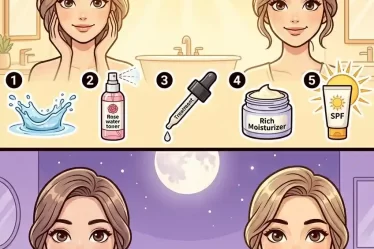
One thing that consistently makes all dark spots worse: sun exposure without protection. Any remedy you use will be fighting an uphill battle if you’re not wearing SPF daily. This isn’t optional — it’s half the treatment.
8 Natural Dark Spot Remedies That Work
1. Turmeric and Honey Mask (The Most Effective DIY Treatment)
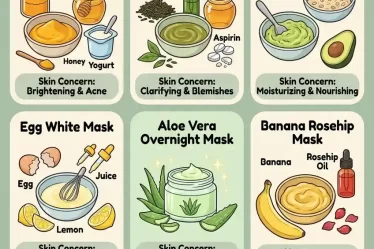
Turmeric contains curcumin, which inhibits tyrosinase — the enzyme that triggers melanin production. Several studies have confirmed its skin-brightening effect. Honey adds antimicrobial and humectant properties that support healing. Mix half a teaspoon of turmeric powder with one teaspoon of raw honey and a few drops of lemon juice. Apply directly to dark spots, leave for 15 to 20 minutes, and rinse thoroughly. Use 3 times a week. Warning: turmeric stains everything yellow. Use an old towel. The yellow tint on skin fades within an hour of rinsing.
2. Aloe Vera — Overnight Treatment
Aloe vera contains aloesin, a compound that directly inhibits tyrosinase and reduces existing pigmentation. A study comparing aloe vera to a common skin-brightening drug found comparable results over 5 weeks. Apply pure aloe vera gel directly to dark spots every night before bed, leave it on overnight, and rinse in the morning. Fresh aloe from the plant works better than bottled versions, but refrigerated pure aloe gel without added ingredients is a close second. Consistency is everything here — daily overnight application for at least 4 to 6 weeks.
3. Lemon Juice — Used the Right Way
Lemon juice contains vitamin C and citric acid, both of which have brightening properties. The problem is that most people apply it undiluted and leave it on skin for too long, which causes irritation and — ironically — can worsen pigmentation. The right method: dilute fresh lemon juice 50/50 with water or aloe vera gel, apply with a cotton pad to dark spots only, leave for no more than 10 minutes, and rinse completely. Never use lemon juice before sun exposure. It increases photosensitivity significantly and can cause chemical burns in direct sunlight.
4. Apple Cider Vinegar Spot Treatment
Raw apple cider vinegar contains acetic acid and malic acid, both of which have mild exfoliating and brightening effects on superficial hyperpigmentation. Dilute it 1:1 with water — undiluted ACV is too acidic for direct skin application. Apply with a cotton ball to dark spots, leave for 5 minutes, rinse well. Use once daily. It works best on post-acne marks and surface-level pigmentation rather than deep melasma. Results are modest but consistent with regular use over 4 to 6 weeks.
5. Rosehip Oil — Nightly Serum
Rosehip oil is high in vitamin A (retinoids) and vitamin C, both of which accelerate cell turnover and reduce pigmentation. It’s one of the few natural oils with solid research behind it for dark spots specifically. Apply 2 to 3 drops to clean skin at night, focusing on dark spot areas. It absorbs well and doesn’t leave a heavy residue. Rosehip oil is photosensitive, so keep it to evening use only. Results appear gradually over 8 to 12 weeks — slower than some of the other remedies on this list but more consistent for deeper pigmentation.
6. Potato Juice — The Underrated Remedy
Potato contains an enzyme called catecholase that has skin-brightening properties. It’s not glamorous, but it works — particularly for dark spots caused by sun damage. Grate a raw potato and press the juice through a cloth. Apply directly to dark spots with a cotton ball, leave for 20 minutes, rinse. The effect is mild, but it’s one of the gentlest options here — suitable for sensitive skin that doesn’t tolerate acids or turmeric. Use daily for best results.
7. Green Tea Extract
Green tea contains EGCG (epigallocatechin gallate), which inhibits melanin synthesis and reduces UV-induced pigmentation. Brew a strong cup of green tea, let it cool completely, and apply to dark spots with a cotton pad twice daily. Leave it on — no need to rinse. You can also freeze cooled green tea into ice cubes and apply directly to spots for an anti-inflammatory bonus. This one works best as a preventive measure and for mild post-acne marks rather than established deeper spots.
8. Vitamin C From Kitchen Ingredients — Overnight Brightening Mask
This DIY overnight mask combines multiple brightening ingredients. Mix together: 1 teaspoon plain yogurt (lactic acid for gentle exfoliation), half a teaspoon turmeric, half a teaspoon rosehip powder or a few drops of rosehip oil, and 4 to 5 drops of freshly squeezed orange juice. Apply to clean skin, leave for 20 minutes, rinse well. The combination of lactic acid, curcumin, vitamin C, and vitamin A creates a multi-angle approach to hyperpigmentation that outperforms any single ingredient. Use 2 to 3 times a week at night only.
How Long Does It Take for Dark Spots to Fade Naturally?
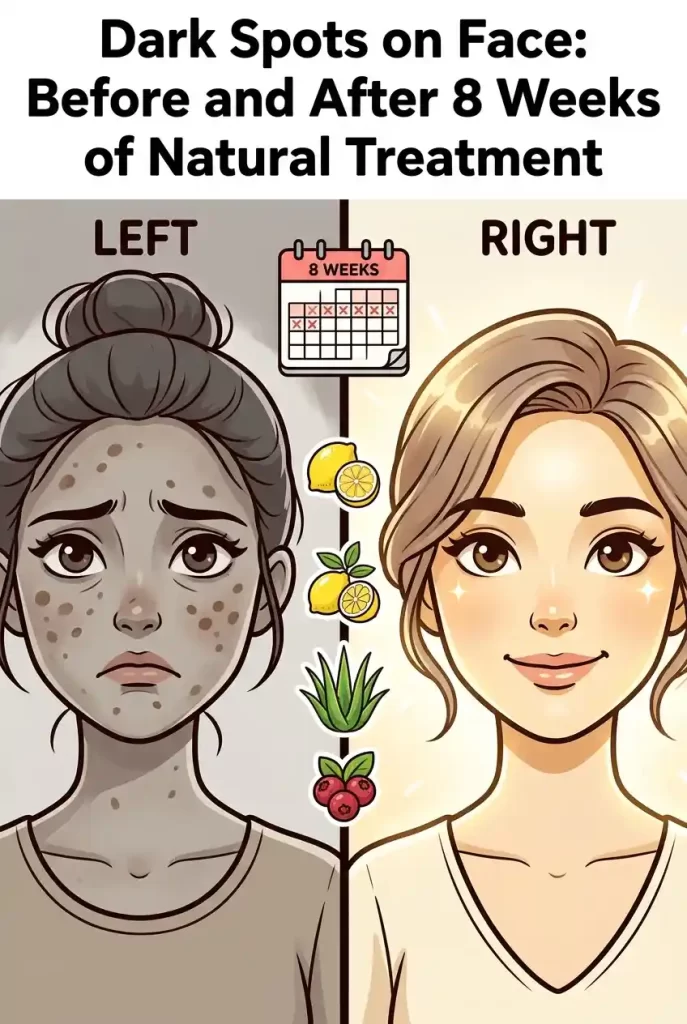
Honest answer: longer than most guides tell you. Superficial post-acne marks can fade in 4 to 8 weeks with consistent treatment. Sun damage spots take 8 to 12 weeks minimum. Melasma is the most stubborn — it can take 3 to 6 months of daily treatment, and it returns with sun exposure even after fading.
The two factors that determine speed are consistency and SPF. Missing applications slows the process significantly. Sun exposure without protection restores the pigmentation faster than any remedy can fade it. Every single day, rain or shine, SPF 30 or higher. That’s non-negotiable if you want results.
What Makes Dark Spots Worse
- Sun exposure without SPF — the single biggest factor in hyperpigmentation persisting
- Picking at acne or scabs — post-inflammatory pigmentation gets significantly darker with repeated trauma
- Using lemon juice or ACV undiluted — acid burns worsen pigmentation
- Hormonal birth control — can trigger or worsen melasma in susceptible women
- Inconsistent treatment — applying a remedy 3 times a week for 2 weeks and stopping produces no visible result
The Short Version
Turmeric and honey mask 3 times a week. Aloe vera gel overnight every night. Rosehip oil as your evening serum. SPF every single morning without exception. Give it 8 weeks before evaluating results. Most dark spots on the face will show visible fading within that window if the SPF is consistent and the remedy is applied correctly.