Leg Cramps at Night: 7 Remedies That Actually Work
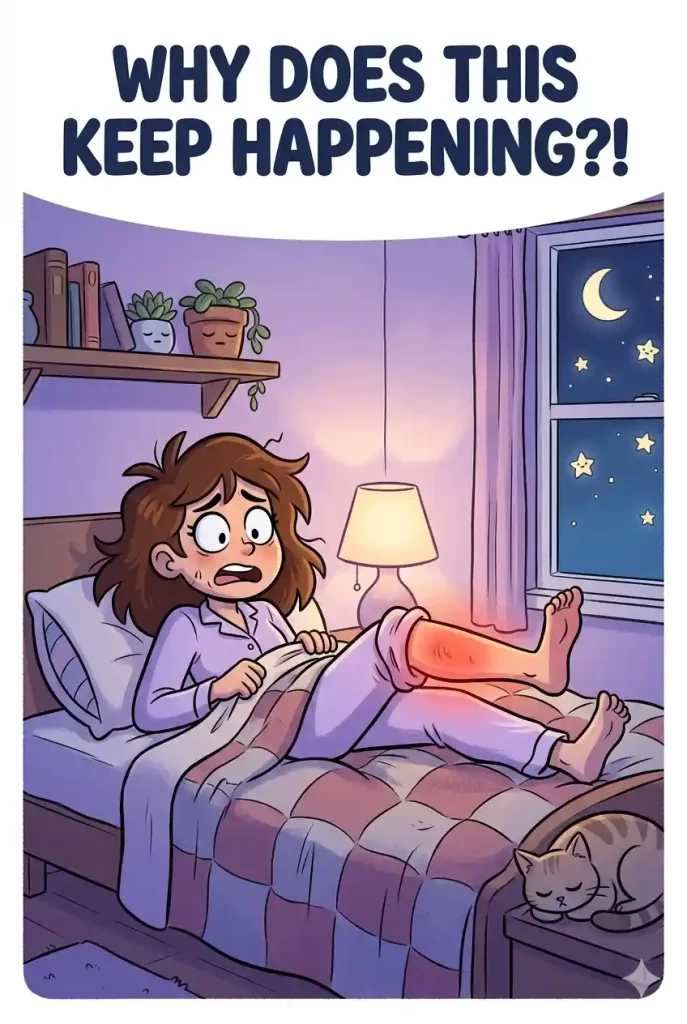
Leg cramps hit at the worst possible moment. You’re finally asleep, completely relaxed — then out of nowhere, your calf locks up like someone grabbed it with a fist. It’s sharp, it’s sudden, and it wakes you up completely.
Most people shake their leg, wait it out, and hope it doesn’t come back. It usually does. Here’s what’s actually going on and what you can do about it tonight.
Why Do Leg Cramps Happen at Night?
The honest answer is that doctors still don’t have one single cause pinned down. But the most common triggers are dehydration, low magnesium or potassium, sitting in one position too long, and poor circulation in the lower legs.
Pregnant women get them often — especially in the second and third trimester. So do people who stand on hard floors all day. Athletes get them after long sessions when they skip electrolyte replenishment. If you’re over 50, the frequency tends to go up whether you exercise or not.
The position you sleep in matters too. Lying flat with your toes pointed downward shortens the calf muscle for hours. That’s just setting yourself up for a cramp.
7 Leg Cramp Remedies That Work
1. Stretch Before Bed — 3 Minutes, Every Night
Stand facing a wall. Put both hands flat against it. Step one foot back about 2 feet, keep it flat on the floor, and lean forward slightly until you feel a pull in the back of your lower leg. Hold for 30 seconds. Switch legs. Do it twice per side.
It sounds too simple. It works better than most people expect, especially if your cramps are happening every night. Give it a week before you decide it’s not helping.
2. Drink Water — But Timing Matters
Drinking a glass of water right when a cramp hits can help relax the muscle faster. More importantly, staying hydrated throughout the day reduces how often they happen. Aim for around 2 liters daily. If you’re drinking coffee or alcohol regularly, add an extra glass for each.
3. Magnesium — The One Supplement Worth Trying
Low magnesium is one of the most consistent factors behind nighttime leg cramps. Magnesium glycinate or magnesium citrate are better absorbed than magnesium oxide, which is what most cheap supplements use. Take around 300–400mg about an hour before bed. Results usually show up within 1 to 2 weeks.
Foods high in magnesium: dark chocolate, pumpkin seeds, spinach, black beans. Worth adding them in regularly rather than relying only on supplements.
4. Heat Before, Cold After
When a cramp hits, most people reach for whatever’s closest. Here’s the actual logic: heat relaxes a muscle that’s contracting. Cold reduces inflammation and soreness afterward. So use a warm towel or heating pad while the cramp is happening. Then, once it passes, an ice pack for 10 minutes helps with the residual ache.
5. Potassium-Rich Foods in the Evening
Bananas get all the credit here, but they’re not even the highest potassium option. Sweet potatoes, avocado, white beans, and dried apricots all have more. If your diet is low in potassium — common if you eat mostly processed food — adding one of these to dinner consistently makes a difference.
6. Fix Your Sleep Position
Sleep with your feet slightly flexed rather than pointed. A pillow under your knees works for back sleepers. If you sleep on your side, don’t tuck your legs tightly — that shortens the calf overnight. Some people use a footboard or keep the blanket loose at the bottom so it doesn’t push the feet into a pointed position.
Small adjustment. Bigger impact than you’d think.
7. Leg Cramp Relief Exercise During an Attack
When the cramp is happening, pull your toes toward your shin firmly and hold. This stretches the calf muscle against its own contraction and usually stops the cramp within 15 to 30 seconds. Then stand up slowly, put weight on the leg, and walk around for a minute. Don’t just lie there — movement helps the muscle release completely.
Leg Cramps During Pregnancy
This deserves its own mention because it’s extremely common and the usual advice doesn’t always apply. Pregnant women should avoid high-dose magnesium supplements without talking to their doctor first. Stretching before bed and staying hydrated are safe and effective. A pregnancy pillow that supports the legs in a neutral position can reduce the frequency noticeably — especially in the third trimester when the cramps tend to get worse.
When to See a Doctor
Occasional cramps are normal. If you’re getting them more than 3 times a week, if they’re lasting longer than 10 minutes, or if the muscle stays sore for more than a day afterward — that’s worth a conversation with your doctor. Persistent leg cramps can sometimes point to circulation issues, nerve compression, or medication side effects.
The Short Version
Stretch before bed. Stay hydrated. Try magnesium glycinate for 2 weeks. Fix your sleep position. These four things alone will reduce nighttime leg cramps for most people. The other remedies are useful additions, but start there.