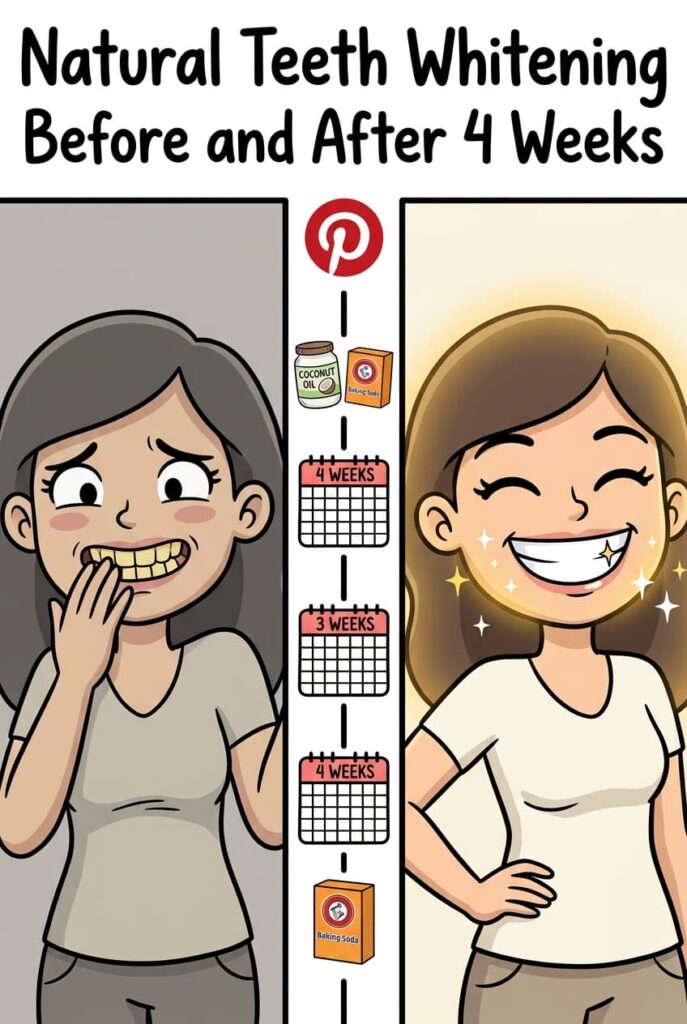
Teeth whitening is one of the most searched beauty topics — and one of the most confusing. The professional treatments work but cost hundreds of dollars. Store-bought strips cause sensitivity that makes eating painful. And the internet is full of DIY hacks that range from mildly helpful to actively damaging your enamel.
Natural teeth whitening is slower than chemical whitening. That’s the honest trade-off. But it doesn’t damage enamel the way peroxide-based treatments can with repeated use, and several methods have solid evidence behind them. Here’s what actually works, what the realistic results look like, and what to absolutely avoid.
Why Teeth Get Yellow in the First Place
Tooth discoloration comes from two places. Extrinsic stains sit on the surface of the enamel — from coffee, tea, red wine, tobacco, and dark berries. These respond well to mechanical removal and surface-level whitening. Intrinsic discoloration is inside the tooth structure itself — from aging, certain medications (especially tetracycline), fluorosis, or trauma. Natural methods work almost exclusively on extrinsic stains. If discoloration is deep and intrinsic, natural methods will have limited effect and professional treatment is the more realistic option.
Most people’s yellowing is extrinsic and completely addressable at home. Consistent use of the methods below — combined with reducing the staining foods or rinsing immediately after consuming them — produces visible results within 2 to 4 weeks.
8 Natural Teeth Whitening Methods
1. Oil Pulling — The Most Underrated Method
Oil pulling is a traditional Ayurvedic practice with legitimate modern research behind it. Swishing oil in the mouth for 10 to 20 minutes removes bacteria and surface stains through a combination of mechanical action and the oil’s ability to bind to lipid-soluble compounds on teeth. Coconut oil is the most popular choice because of its lauric acid content, which has specific antimicrobial properties. Sesame oil is the traditional option and also works well.
How to do it: Take 1 tablespoon of coconut oil (solid or liquid both work), swish thoroughly around the mouth for 10 to 20 minutes — work up from 5 minutes if you’re new to it. Spit into the trash, never the sink (solidified oil clogs drains). Rinse with warm water. Brush teeth normally after.
Frequency: daily for best results, minimum 3 to 4 times per week. Visible whitening typically appears within 2 to 3 weeks of daily use. The longer-term benefit is reduced gum inflammation and bacteria, which also contributes to a brighter appearance.
2. Baking Soda — Gentle Abrasion That Works
Baking soda (sodium bicarbonate) is the most evidence-backed natural tooth whitener. It has a mild abrasive quality that physically removes surface stains, and it’s alkaline, which neutralizes the acid environment that allows bacteria to thrive. Multiple studies confirm that toothpastes containing baking soda whiten teeth more effectively than those without.
How to use it: Wet your toothbrush, dip into a small amount of baking soda, and brush for 2 minutes. Rinse thoroughly. Alternatively, make a paste by mixing baking soda with a few drops of water.
Frequency: 2 to 3 times per week maximum. Daily use is too abrasive and will gradually wear enamel over time. This is the most important rule with baking soda — it works, but it needs limits.
3. Activated Charcoal — Effective But Use With Caution
Activated charcoal is one of the most hyped natural whitening methods, and it does work for surface stains through adsorption — it binds to stain compounds and lifts them off the tooth surface. The concern is its abrasiveness. Activated charcoal is significantly more abrasive than baking soda, and there’s legitimate concern from dentists about enamel erosion with frequent use.
The honest approach: activated charcoal is effective for removing stubborn surface stains but should be used no more than once a week, and only for a short period (2 to 4 weeks) to address specific discoloration, not as an ongoing daily routine. Use food-grade activated charcoal powder. Wet brush, dip in charcoal, brush gently for 2 minutes. Rinse very thoroughly — it stains everything temporarily.
4. DIY Whitening Toothpaste Recipe
This homemade toothpaste combines multiple whitening mechanisms in one formula.
Ingredients: 2 tablespoons coconut oil, 1 tablespoon baking soda, 10 drops peppermint essential oil (flavor and antimicrobial), half a teaspoon turmeric powder (anti-inflammatory and mild stain removal), optional: 5 drops of clove essential oil (antimicrobial and pain-reducing).
How to make it: Melt coconut oil if solid. Mix all ingredients together until a paste forms. Store in a small glass jar at room temperature.
How to use it: Apply small amount to toothbrush and brush for 2 minutes. Rinse thoroughly — the turmeric stains temporarily but rinses fully. Use 2 to 3 times per week, not daily, because of the baking soda content. The coconut oil provides oil-pulling benefits simultaneously.
5. Strawberries and Baking Soda Mask
Strawberries contain malic acid, which acts as a natural bleaching agent for surface stains. Combined with the abrasive action of baking soda, this creates a surface-level whitening treatment that produces visible results within a few uses.
How to use it: Mash 1 to 2 ripe strawberries into a pulp. Mix with half a teaspoon of baking soda. Apply to teeth with a toothbrush or finger. Leave for 5 minutes. Rinse thoroughly and brush normally afterward.
Frequency: once or twice a week. The malic acid is gentle but acidic — always brush with regular toothpaste after to neutralize and protect enamel. Results appear within 2 to 3 weeks of consistent weekly use.
6. Turmeric Paste for Gum Health and Whitening
This sounds counterintuitive — turmeric is bright yellow and stains everything it touches. But used on teeth and then rinsed completely, it doesn’t stain enamel and its anti-inflammatory properties actively benefit the gums, which contributes to an overall brighter appearance. Healthy pink gums make teeth look whiter by contrast.
How to use it: Mix half a teaspoon of turmeric powder with enough coconut oil to make a paste. Apply to teeth, leave for 3 to 5 minutes. Rinse very thoroughly multiple times — the yellow color fully washes away from teeth (though it will temporarily yellow your toothbrush). Use once or twice a week.
7. Apple Cider Vinegar Rinse — Used Carefully
ACV contains acetic acid which can bleach surface stains, and it has antibacterial properties relevant to oral hygiene. The critical issue is that acetic acid erodes enamel with regular use. This method has a narrow window of safe effectiveness.
The safe approach: dilute 1 teaspoon of ACV in 1 cup of water. Swish for no more than 30 seconds. Rinse thoroughly with plain water immediately afterward. Wait at least 30 minutes before brushing — acidic exposure softens enamel temporarily and brushing immediately worsens erosion. Use maximum twice per week and not as an ongoing long-term practice.
8. Prevention: The Most Effective Whitening Strategy
Every whitening method works better when you reduce re-staining. The three highest-impact prevention habits: drink coffee and tea through a straw to reduce contact with teeth, rinse mouth with water immediately after consuming staining foods and drinks, and brush within 30 minutes of meals (but not immediately after acidic foods — wait 30 minutes). These habits prevent new stains from setting while the whitening methods address existing ones. Prevention produces better results than any single whitening treatment used without it.
What Doesn’t Work and What to Avoid
- Lemon juice on teeth — the citric acid is too aggressive and causes significant enamel erosion with repeated use. The whitening effect is real but not worth the damage
- Hydrogen peroxide at high concentrations — while used in professional treatments, DIY high-concentration peroxide causes sensitivity and can damage pulp tissue
- Activated charcoal daily — too abrasive for regular use despite its effectiveness
- Rubbing banana peel or orange peel — the evidence here is very weak and the results minimal compared to other methods
Realistic Results Timeline
Oil pulling daily: visible brightness improvement within 2 to 3 weeks. Baking soda 3 times a week: noticeable surface stain removal within 2 weeks. DIY whitening toothpaste: gradual improvement over 3 to 4 weeks. Strawberry and baking soda treatment: visible lift in surface stains within 2 to 3 applications. Full natural whitening routine combining multiple methods: significant improvement visible at 4 to 6 weeks.
The Short Version Oil pull daily with coconut oil. Brush with baking soda 2 to 3 times a week. Use the DIY whitening toothpaste for regular brushing. Strawberry and baking soda treatment once a week. Drink coffee through a straw and rinse with water after staining foods. Give it 4 to 6 weeks of consistent effort. That combination addresses surface stains from multiple angles and produces visible whitening without damaging enamel.