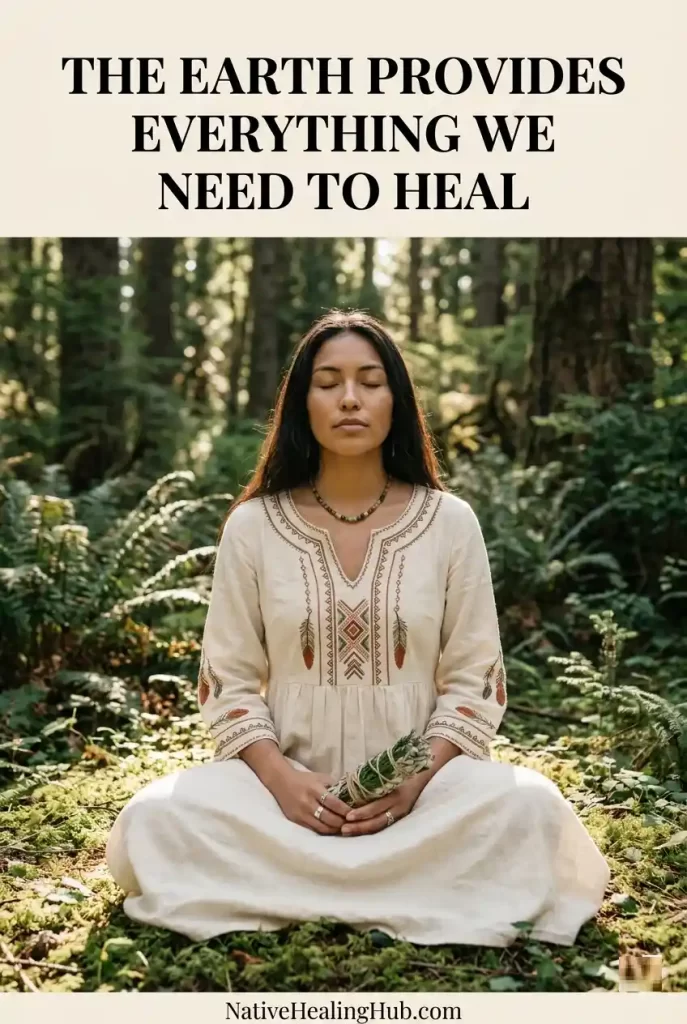
“The Earth does not belong to us. We belong to the Earth — and She provides everything we need to heal.” These words, rooted in Native American wisdom, carry a message that modern society urgently needs to hear. At a time when chronic disease, mental health crises, and environmental destruction are accelerating simultaneously, the healing philosophy of indigenous cultures offers a path back to balance, wholeness, and true wellness.
Thank you for reading this post, don't forget to subscribe!Native American healing traditions are not simply collections of herbal remedies and medicinal techniques. They are complete worldviews — entire ways of understanding the human being as inseparable from nature, community, and spirit. This post explores the core principles of this ancient wisdom and how they can guide our healing today.
The Foundation: All Living Things Are Connected
At the heart of Native American healing philosophy is the understanding that all living beings are connected in a sacred web of relationship. Humans are not separate from nature — we are part of it. Our health is inseparable from the health of the land, the water, the plants, and the animals around us. When we harm the earth, we harm ourselves. When we tend the earth, we tend ourselves.
This worldview has profound implications for how we approach healing. It means that true health is never just physical — it is emotional, mental, spiritual, and relational. And it means that healing is never just an individual act — it is always communal, ecological, and spiritual.
Modern medicine has largely ignored these dimensions, focusing almost exclusively on the physical body in isolation. The result is a healthcare system that is extraordinarily effective at treating acute illness and crisis, but deeply limited in its ability to create lasting wellness. Indigenous healing traditions offer the missing framework.
The Medicine Wheel: A Complete Map of Human Wholeness
Many Native American traditions use the Medicine Wheel as a framework for understanding health and healing. The wheel is divided into four directions, each associated with a different dimension of human experience: the physical body, the emotional self, the mental mind, and the spiritual essence. True health, according to this teaching, requires balance and harmony in all four areas simultaneously.
When one area is neglected — as modern medicine so often neglects emotional, spiritual, and relational dimensions — the whole system falls out of balance. Anxiety, depression, chronic pain, and autoimmune conditions are often expressions of this imbalance. Indigenous healers never treated symptoms in isolation but always sought to restore harmony to the whole person within their whole community and environment.
This holistic framework is now being validated by fields as diverse as psychoneuroimmunology, epigenetics, and integrative medicine — all of which confirm that mental and emotional states profoundly affect physical health, and that social connection and sense of purpose are as important to wellbeing as diet and exercise.
The Healing Power of Sacred Plants
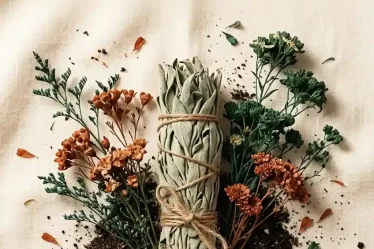
Plants hold a central role in Native American healing — but not in the way that modern herbal medicine typically understands them. Plants are not seen merely as chemical compounds to be extracted and isolated. They are living beings with intelligence, spirit, and medicine. The healer’s relationship with the plant — how it was gathered, prepared, offered, and received — was considered as important as the plant’s biochemical properties.
Gratitude, respect, and ceremony were integral to the healing process. Before harvesting a medicinal plant, indigenous healers would offer a prayer of thanks, take only what was needed, and leave an offering in return. This was not superstition — it was a sophisticated understanding that healing happens within a relationship, and that relationships require care, reciprocity, and reverence.
This is why the sourcing and intention behind plant medicine matters. When we take a herb carelessly, without awareness of where it came from or how it was grown, we are missing a dimension of its healing potential that indigenous traditions always honored.
Four Indigenous Practices To Bring Into Your Life Today
Connect with nature daily. Even 20 minutes in a natural setting measurably reduces cortisol, lowers blood pressure, improves mood, and boosts immune function. Indigenous healers understood intuitively what research now confirms: nature heals.
Honor the whole person. When you experience physical symptoms, ask also what is happening emotionally, mentally, and spiritually. Your body is always expressing a deeper state of balance or imbalance — listen to it with curiosity rather than just trying to suppress the symptom.
Use plants with gratitude and intention. Before drinking your herbal tea or applying a plant remedy, take a moment to acknowledge the plant’s medicine. This shift in awareness changes how you receive the healing.
Build and tend community. Indigenous healing was never done in isolation. Ceremony, shared meals, storytelling, and mutual support were understood as medicine. Chronic loneliness is now recognized as one of the most significant risk factors for poor health — something indigenous cultures never suffered from, because community was inseparable from life.
Why This Wisdom Matters More Than Ever
We are living through a crisis of disconnection — from nature, from each other, from our own bodies, and from the deeper sources of meaning that make life worth living. Chronic disease rates are at historic highs. Mental health is deteriorating across all age groups. And the pharmaceutical model, for all its genuine achievements, cannot address the root causes of this crisis.
Indigenous healing traditions can. Not as a replacement for modern medicine, but as a complement — a deeper framework within which medical knowledge can serve its true purpose: supporting human beings in living fully, healthily, and in right relationship with the world around them.
The earth provides everything we need to heal. The wisdom to use those provisions wisely has always been here, carried by indigenous cultures across thousands of years and countless generations. Now it is our turn to receive that wisdom, honor it, and apply it in our lives.
Conclusion
Learning from indigenous healing traditions is not about romanticizing the past or appropriating other cultures. It is about humility — the recognition that wisdom can come from sources older and deeper than the modern world, and that we lose something essential when we ignore it.
Explore these teachings. Work with sacred plants. Spend time in nature. Honor the whole of who you are. And visit NativeHealingHub.com for more wisdom from indigenous healing traditions around the world. 🌿